Retaining Walls & Concrete Masonry
Control slopes, prevent erosion, and create usable space on your property with professionally built retaining walls and concrete masonry structures.
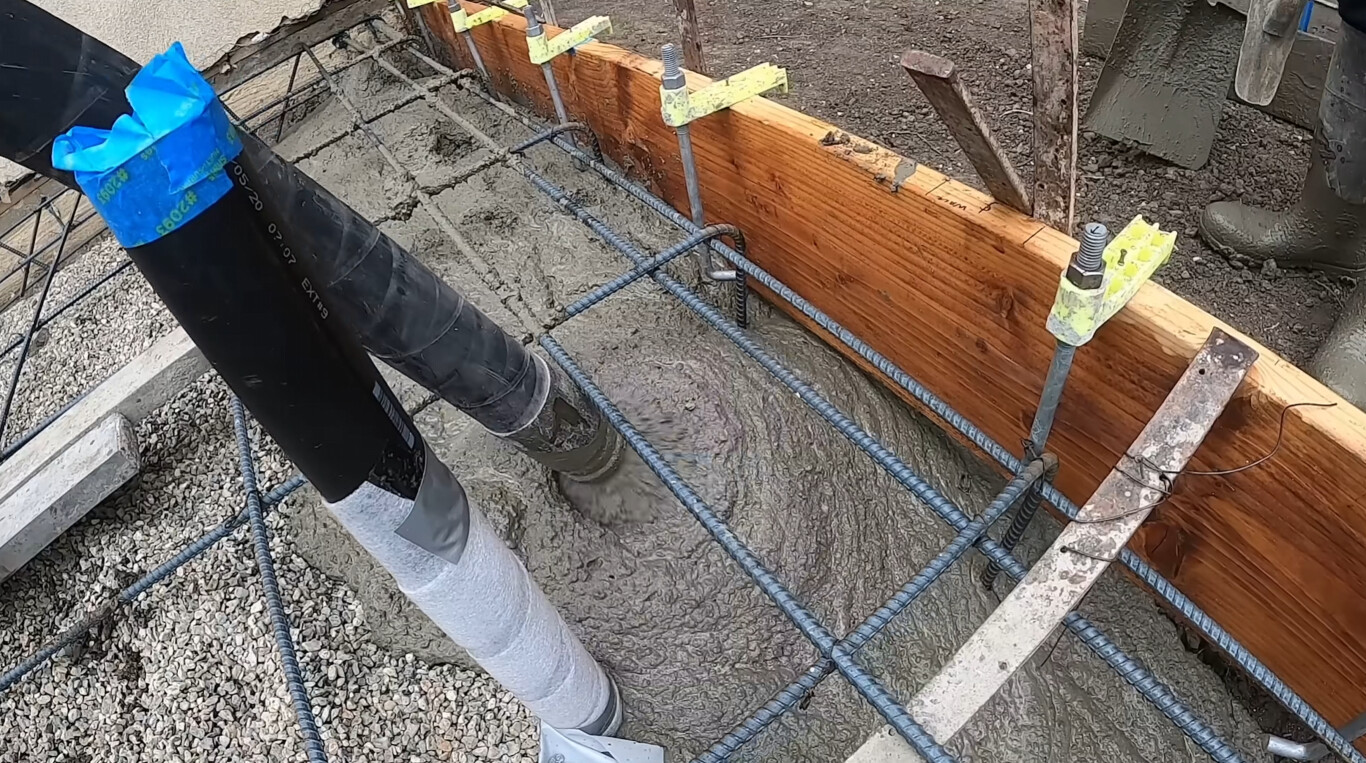
Retaining walls serve both functional and aesthetic purposes on residential and commercial properties. They hold back soil on sloped lots, prevent erosion, create level areas for buildings or landscaping, and can dramatically improve your property's appearance and usability. We build retaining walls and concrete masonry structures throughout the Hobbs area, using proven engineering and construction techniques that ensure long-term stability and performance.
Building retaining walls is more complex than it might appear. These structures must withstand tremendous forces from soil pressure, water, and freeze-thaw cycles. Poor design or construction leads to cracking, tilting, or complete failure within just a few years. Our crews have the experience and knowledge to build walls that last, using proper drainage, reinforcement, and construction methods that address the specific conditions at your site.
Types of Walls We Build
We build various types of retaining walls and masonry structures depending on your needs, site conditions, and aesthetic preferences.
Poured Concrete Retaining Walls
Poured concrete walls are the strongest option for retaining soil. We build these walls on concrete footings below the frost line and include steel reinforcement throughout. The walls can be finished smooth, textured, or stamped to match your home's style. Poured concrete works well for walls of any height and can handle significant soil loads. These walls require proper drainage systems behind them to prevent water pressure buildup that can cause failure.
Concrete Block Retaining Walls
Concrete masonry block walls offer design flexibility and are often more economical than poured concrete for smaller walls. We use reinforced concrete block construction with cells filled with concrete and rebar for strength. The blocks can be standard gray or decorative units with various colors and textures. Block walls work well for walls up to 6 or 8 feet tall. Taller walls typically require engineering and may be better built with poured concrete.
Landscape and Garden Walls
Shorter walls used for landscaping and garden beds can be built with various materials including concrete block, natural stone, or specialized retaining wall systems. These walls create planting beds, define spaces, and add dimension to flat yards. While not as structurally demanding as tall retaining walls, they still need proper base preparation and construction techniques.
Whatever type of wall your project requires, we ensure it is built correctly from the ground up. The same careful construction approach we use for walls applies to all our work, from residential concrete projects to larger commercial installations.
Critical Design and Engineering Considerations
Retaining walls must resist significant lateral pressure from the soil behind them. This pressure increases with wall height and gets worse when water saturates the soil. Proper design accounts for these forces and includes adequate strength and drainage.
Key Structural Elements
- •Strong foundation below frost line prevents heaving and settling
- •Adequate wall thickness and reinforcement to resist soil pressure
- •Proper drainage system behind wall to eliminate water pressure
- •Backfill material that drains well and does not expand when wet
- •Weep holes or drain outlets to remove water from behind wall
When Engineering Is Required
Most local building codes require engineered designs for retaining walls above certain heights, typically 4 feet. Even shorter walls may need engineering if they support structures, roads, or other loads beyond just soil. We work with structural engineers when needed to ensure your wall meets all code requirements and will perform reliably for decades.
This attention to proper design and engineering applies across all our structural work. Whether building retaining walls or installing concrete foundations, we ensure everything meets or exceeds code requirements and structural standards.
Our Retaining Wall Construction Process
Building retaining walls requires careful site preparation, precise construction, and proper backfilling and drainage installation. Each step affects the wall's long-term performance and stability.
Excavation and Foundation
We start by excavating the area where the wall will sit. The excavation extends below the frost line to prevent frost heaving. We prepare a level base, compact it thoroughly, and pour a concrete footing. This footing distributes the wall's weight and anchors it against sliding. The footing dimensions depend on wall height and soil conditions. Taller walls or poor soil may require wider or deeper footings.
Wall Construction
For poured concrete walls, we build forms on both sides of the footing, install reinforcing steel, and pour concrete. The wall thickness and reinforcement are based on the design requirements. For block walls, we lay blocks using mortar and install reinforcing bars vertically, filling the cores with concrete. We include any necessary drainage outlets or weep holes during construction.
Drainage and Backfill
After the wall cures, we install the drainage system. This typically includes a perforated drain pipe at the base of the wall, surrounded by gravel, and a filter fabric to prevent soil from clogging the drainage system. We backfill behind the wall using free-draining material, compacting it in layers. The top layer can be topsoil if you plan to plant against the wall.
This systematic approach to construction ensures reliable performance. The same careful methods apply to all our concrete work, from walls to driveways and other projects throughout your property.
Frequently Asked Questions
Here are answers to common questions about retaining walls and concrete masonry.
Need a Retaining Wall or Masonry Structure?
Contact us for a site evaluation and estimate. We build retaining walls that last throughout Hobbs and the surrounding areas.
Request Your Site Evaluation